Community Health, Prevention and Connection – More Voices From Braunstone Leisure Centre
Podcast: Play in new window | Download
How can people in Leicester take greater control of their health and wellbeing? What support is available locally, and how can community organisations make it easier for people to get the advice and assistance they need?
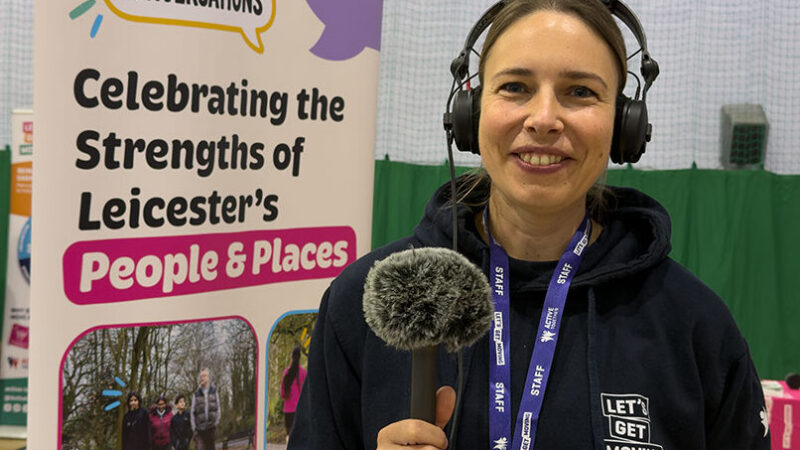
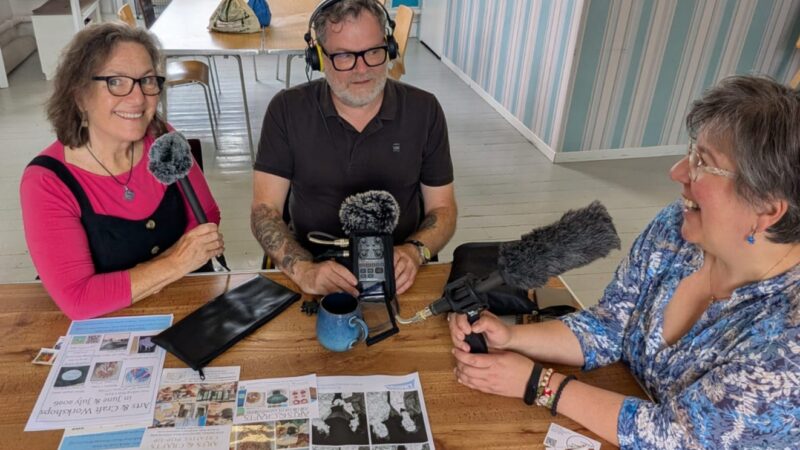
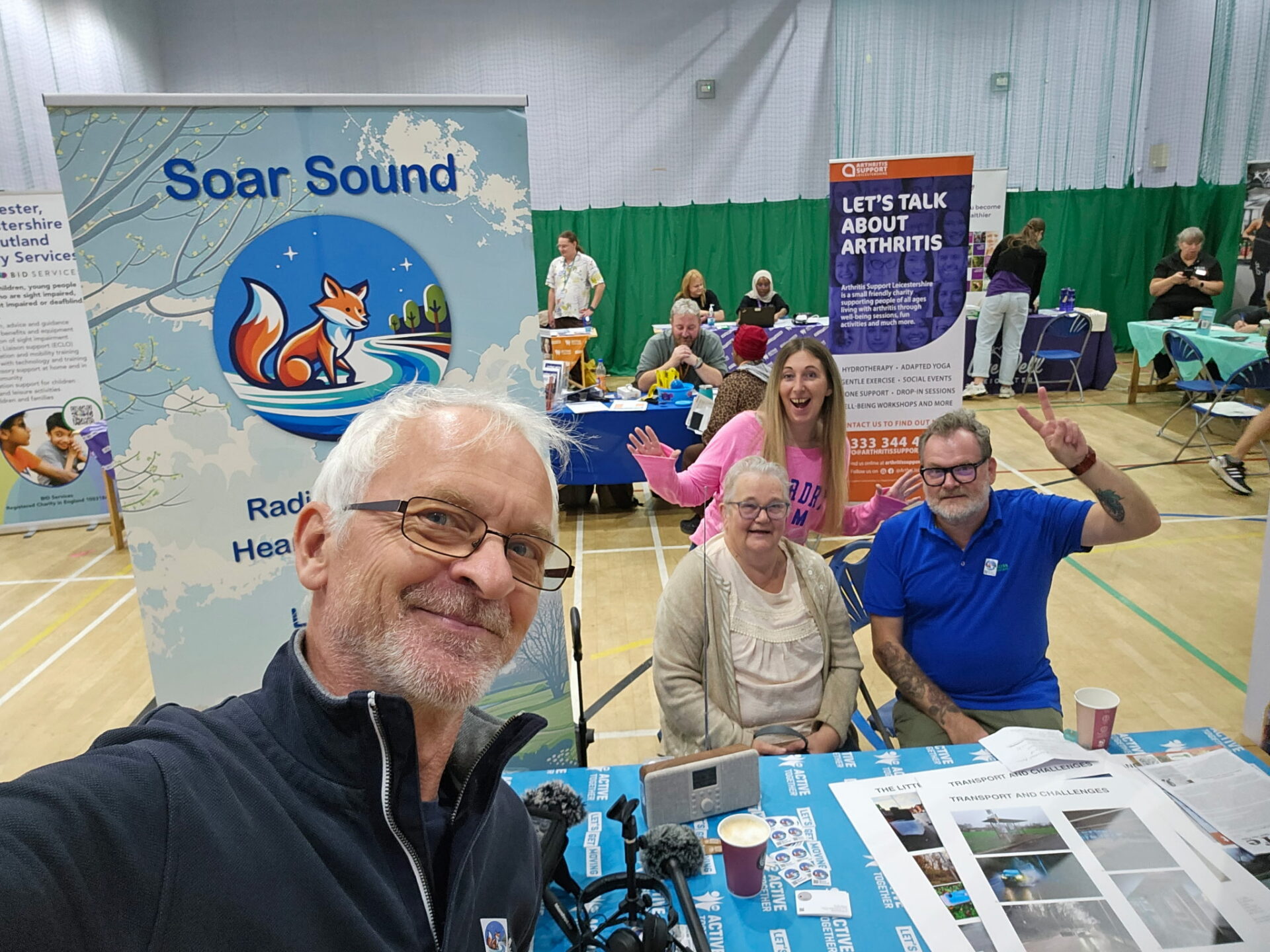
In the second episode of Soar Sound’s coverage of the Community Assessment Day at Braunstone Leisure Centre, community reporters Rob Watson, Helen Pettman and Karolina continue their conversations with residents, health professionals and voluntary organisations.
The discussions range from preventing diabetes and detecting lung cancer earlier to mental health, supporting carers, saving money on household energy bills and the importance of community spaces.
Together, they reveal how health and wellbeing are closely connected with people’s everyday circumstances, their relationships and their ability to access practical support.
Supporting Older People and Carers
Dave Robinson from Age UK Leicestershire and Rutland explains how the organisation supports older people and those with caring responsibilities.
Its Leicester City carers’ service provides advice and assistance for adults aged eighteen and over, including benefits checks, carers’ passports and opportunities to join support groups.
Dave also introduces the Warm and Wise project, which helps people aged over fifty understand their household energy use and identify ways to reduce their bills.
The service offers free home energy assessments, practical advice about heating and assistance for those experiencing difficulties with energy payments. Households can also receive useful equipment, such as draught excluders, energy-saving light bulbs and radiator reflectors.
The discussion illustrates an important connection between health and household finances. Keeping a home warm, managing energy bills and receiving appropriate support can make a significant difference to people’s wellbeing and independence.
What Makes Leicester an Active City?
Karolina, representing Moving Conversation through Active Together, returns to a question at the heart of the Community Assessment Day: what do people already do to keep themselves active, and what would help them become more active in the future?
One resident describes walking to work each day, amounting to more than an hour of walking on a typical working day. Although already active, they would like to make more regular use of a gym.
The conversation demonstrates that becoming more active does not always require a major change in lifestyle. Sometimes it involves finding the time, motivation and opportunities to build on activities that people already enjoy.
Karolina also discusses the PhotoVoice project, which encourages residents to document features of their neighbourhoods that affect their willingness or ability to get out and about.
Photographs of unsafe bus stops, traffic, rubbish and inaccessible community facilities raise questions about the quality of Leicester’s public spaces.
The loss of places where people can meet, such as libraries and informal social spaces, is another concern.
Encouraging physical activity is therefore not simply a matter of individual motivation. It also depends on creating neighbourhoods where people feel safe, welcome and able to participate.
Wesley Hall – Building Connections Through Community Activities
Arvind, a project coordinator at Wesley Hall Community Centre, describes the considerable range of activities provided by the charity.
Serving residents from across Leicester, Wesley Hall offers activities for different age groups, including wellbeing sessions, computer classes, English and driving theory support, food-related projects, music sessions and opportunities for informal social contact.
The centre also provides support for people seeking asylum, recognising the importance of communicating across different languages and helping people understand unfamiliar systems.
Arvind explains that multilingual staff, volunteers and translation technology help make the centre accessible.
However, he also acknowledges that organisations need to do more than simply advertise services. People must feel comfortable entering a community space and confident that they will be welcomed.
Wesley Hall’s regular coffee mornings offer opportunities for local organisations and residents to meet, discover shared interests and establish relationships.
Arvind’s invitation to other organisations attending the Community Assessment Day is particularly relevant. Rather than expecting residents to find their way through a complicated network of services, providers should spend time in established community settings, getting to know the people they hope to support.
Running, Mental Health and Community Reporting
John Coster joins Helen Pettman for a conversation about exercise, journalism and community media.
John explains that running provides an important way of maintaining his mental wellbeing, particularly when balancing a demanding workload and frequent international travel.
He describes preparing for a ten-kilometre run and the value he finds in exercising early in the morning, enjoying the peace and solitude.
The conversation then turns to his work supporting the development of S24 Television in Nigeria, where he has been drawing on his experience of community reporting and media development in Leicester.
John reflects on the establishment of Citizens Eye in 2008 and the subsequent growth of community reporting networks, volunteer-led news services and opportunities for practical media training.
These experiences continue to inform his work, both internationally and in Leicester.
He also recognises the contribution that Soar Sound and the Evington Echo can make by encouraging local people to participate in reporting and sharing information.
His observations raise a wider question about the role of community media. The value of local reporting is not simply in distributing information, but in helping organisations and residents become more aware of one another and develop stronger working relationships.
Preventing Type 2 Diabetes Through Everyday Changes
Oliver from Xyla Health and Wellbeing introduces the NHS Diabetes Prevention Programme, which supports people identified as being at increased risk of developing Type 2 diabetes.
The programme involves thirteen educational sessions delivered over approximately nine months, addressing nutrition, physical activity, stress and sleep.
Oliver explains that the programme is designed around gradual changes in behaviour rather than expecting people to transform their lifestyles immediately.
Participants are encouraged to set achievable goals and review their progress, helping them develop habits that can be maintained over time.
The discussion also explores the importance of understanding blood glucose measurements, portion sizes and the relationship between food choices and long-term health.
Oliver’s background in sport and exercise psychology brings an additional perspective. Knowing what constitutes a healthy lifestyle is not necessarily the same as being able to make lasting changes.
The challenge is helping people develop the confidence, motivation and practical routines that allow them to put that knowledge into everyday practice.
Lung Cancer Screening – Finding Problems Earlier
Grace, who works on NHS lung cancer screening engagement, explains plans for a screening programme in Leicester aimed at identifying lung cancer before symptoms develop.
The programme is intended for people aged fifty-five to seventy-four with a history of smoking, including those who stopped smoking many years ago.
Grace describes how eligible people will be invited to take part in an initial risk assessment, with those meeting the programme’s criteria offered further screening.
A significant feature of the approach is the use of mobile screening facilities based in accessible community locations rather than requiring everyone to attend a hospital.
The aim is to make participation as straightforward as possible, particularly for people who might otherwise find it difficult to attend appointments.
The conversation also considers the importance of communicating health risks without creating unnecessary fear.
Grace acknowledges that some people avoid discussing cancer because they find the subject distressing. However, the purpose of screening is to identify problems at an earlier stage, when treatment is more likely to be effective.
At the time of the interview, the programme was being prepared for introduction in Leicester towards the end of November 2026.
The discussion highlights the importance of clear, accessible communication when introducing new preventative health services.
Understanding Stress, Anxiety and Mental Wellbeing
Sheila Solanki from NHS Talking Therapies, provided locally by Vita Health Group, explains how residents can access free and confidential support for common mental health difficulties.
The service supports people aged sixteen and over who are registered with a GP in Leicester, Leicestershire or Rutland.
The difficulties addressed include stress, anxiety, low mood, depression, sleep problems and phobias.
Sheila discusses the distinction between the ordinary stresses of everyday life and difficulties that may benefit from structured therapeutic support.
The service offers a range of psychological therapies, including Cognitive Behavioural Therapy, with assessments used to determine which approach may be appropriate for an individual’s circumstances.
Employment support is another important part of the service, particularly for people returning to work after an extended absence or experiencing difficulties maintaining employment.
The conversation also explores how people interpret everyday situations and how changing their responses can sometimes help them manage anxiety.
Sheila uses the example of being delayed by traffic lights. We cannot always control external circumstances, but we may be able to change how we respond to them.
The discussion reinforces the value of recognising when additional help might be useful rather than assuming that people should manage every difficulty alone.
Bringing Services and Communities Together
Across the second episode, a recurring theme emerges: many of the challenges affecting people’s health are connected.
Someone experiencing financial pressure may struggle to keep their home warm. A person living with anxiety may find it difficult to return to work. Poor access to public spaces may discourage people from walking, while the loss of community facilities can reduce opportunities for social contact.
At the same time, Leicester has a substantial network of organisations offering practical assistance, specialist advice and opportunities for participation.
The challenge is making those connections visible and accessible.
Events such as the Community Assessment Day create opportunities for residents to speak directly with practitioners, ask questions and discover services they might otherwise never encounter.
They also allow organisations to learn from each other and identify opportunities for collaboration.
For Soar Sound, the event demonstrates the value of community reporting as a participatory activity. Rather than simply publicising what organisations provide, community reporters can ask questions, explore people’s experiences and encourage conversations that might not otherwise take place.
As Karolina reflects at the end of the day, one of the most important lessons from interviewing people is learning to listen.
That is also a useful starting point for improving community health. Understanding what people need, what they already do and the difficulties they encounter can help local organisations develop services that are more relevant, accessible and effective.
Listen to the second episode of Soar Sound’s Community Assessment Day podcast to hear the conversations with residents, community organisations and health professionals at Braunstone Leisure Centre.
Soar Sound is Leicester’s community radio station, supporting local people and organisations to tell their own stories, share information and participate in community broadcasting.